
Female Health
How to Treat High Testosterone in a Woman
If you're wondering how to treat high testosterone in a woman, you can learn about tests, prescription treatments, and lifestyle changes that may help …
Testosterone gets blamed for everything from belly fat to bad moods. These guides explain what the hormone does and how to judge supplement claims.

If you're wondering how to treat high testosterone in a woman, you can learn about tests, prescription treatments, and lifestyle changes that may help …

You may ask: does smoking cigars increase testosterone? Evidence is limited, and any possible short-term rise does not outweigh the risks to your …

You may ask: does biotin increase testosterone? Explore the limited research on this link, biotin’s role in metabolism, and foods that supply vitamin …
In this testrx review, you can learn about the supplement’s ingredients, claimed benefits, recommended dosage, and customer reports, along with safety …
In this provacyl review, you can explore the supplement’s ingredients, claimed benefits, and possible side effects to help you discuss its use with …
In this testodren review, you’ll learn about the supplement’s claimed benefits, ingredients, and potential risks so you can discuss its use with your …
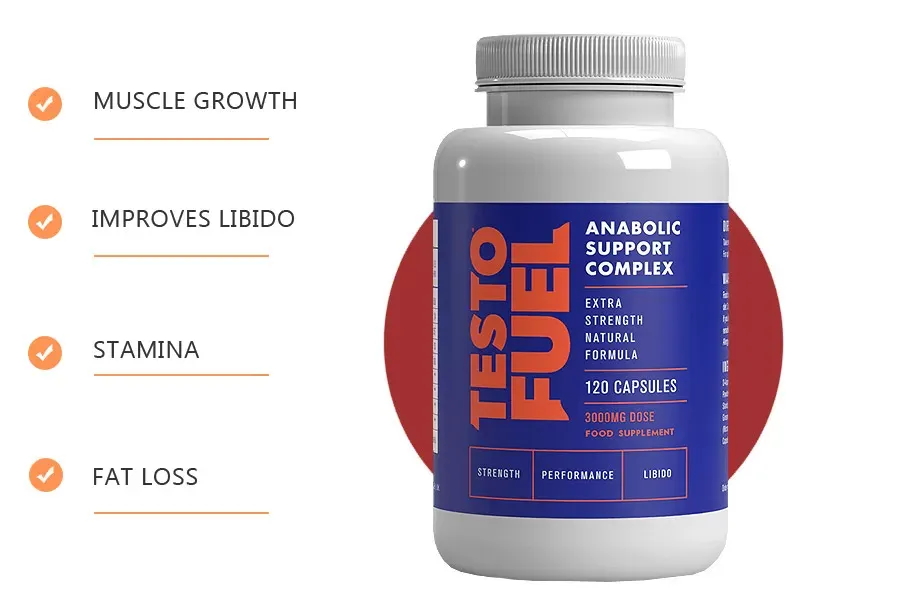
In these testofuel reviews, you can explore customer experiences, ingredients, and claimed benefits, plus possible side effects and reasons to discuss …
Explore prime male reviews to compare its 12 ingredients, claimed benefits, and recommended dosage. Learn what you should consider before trying this …
Compare ingredients, claimed benefits, and customer feedback in this guide to testomax reviews. Learn what you should consider before trying this …
Explore testoprime reviews to learn about the ingredients, claimed benefits, and customer experiences so you can weigh this supplement’s potential …
Compare the best testosterone booster supplements for your goals, from muscle growth to libido. Learn about their ingredients, claimed benefits, and …
You may notice changes in libido, body hair, or mood as signs of high testosterone in men. Learn how blood tests can help your doctor assess your …
Testosterone is real biology wrapped in a lot of marketing. Say a 39-year-old software tester feels tired, gains weight around the waist and sees an ad for a booster. The ad lists his exact symptoms, but so would a page about poor sleep or thyroid problems.
Wikipedia’s testosterone article notes that levels in men decline gradually with age. Clinical guidelines add that a diagnosis of deficiency needs both symptoms and repeated morning blood tests. That’s the standard we use when we review foods, habits and supplements in this section.
Each review looks at the listed ingredients and what independent research says about them. Treat the reviews as a way to cut down a shortlist, not as a prescription. If you suspect low testosterone, a morning blood test with your doctor will tell you more than any capsule (and it’s often covered by insurance).
Common signs include low sex drive, erectile problems, fatigue, loss of muscle mass, more body fat and low mood. Because these symptoms overlap with other conditions, a diagnosis needs morning blood tests.