Nutrition
The Health Benefits of Tomatoes for Men: What Research Shows
Tomatoes provide lycopene, potassium, and vitamin C. Learn what research says about prostate and heart health, plus how cooking and a little healthy …
Prostate health affects urination, sex and sleep. Learn what changes with age, which foods have evidence behind them and what to expect after surgery.

Tomatoes provide lycopene, potassium, and vitamin C. Learn what research says about prostate and heart health, plus how cooking and a little healthy …

Prostatitis and erectile dysfunction often show up together. Here's how prostate inflammation and surgery can affect erections, and what you can …
You may experience permanent side effects of prostate removal, including dry orgasm, erection problems, or urinary leakage. Learn which changes may …
You can include foods for prostate health such as tomatoes, broccoli, olive oil, and fatty fish in a balanced diet. Learn about their nutrients and …
The prostate grows slowly through adult life, so the changes feel normal until they aren’t. Say a 61-year-old teacher starts planning car trips around restrooms. He may blame coffee, when an enlarged prostate is the more likely reason. Wikipedia’s article on benign prostatic hyperplasia describes it as one of the most common conditions in older men.
Our prostate health guides separate three questions that often get mixed up: what you can do with diet, what needs a medical check, and what recovery looks like if you’ve had prostate surgery.
Keep a three-day bladder diary before your appointment: how often you urinate, how much you drink and how often you wake at night. It gives your doctor something concrete to compare after any treatment. And if you see blood in your urine or can’t pass urine at all, that’s a same-day call.
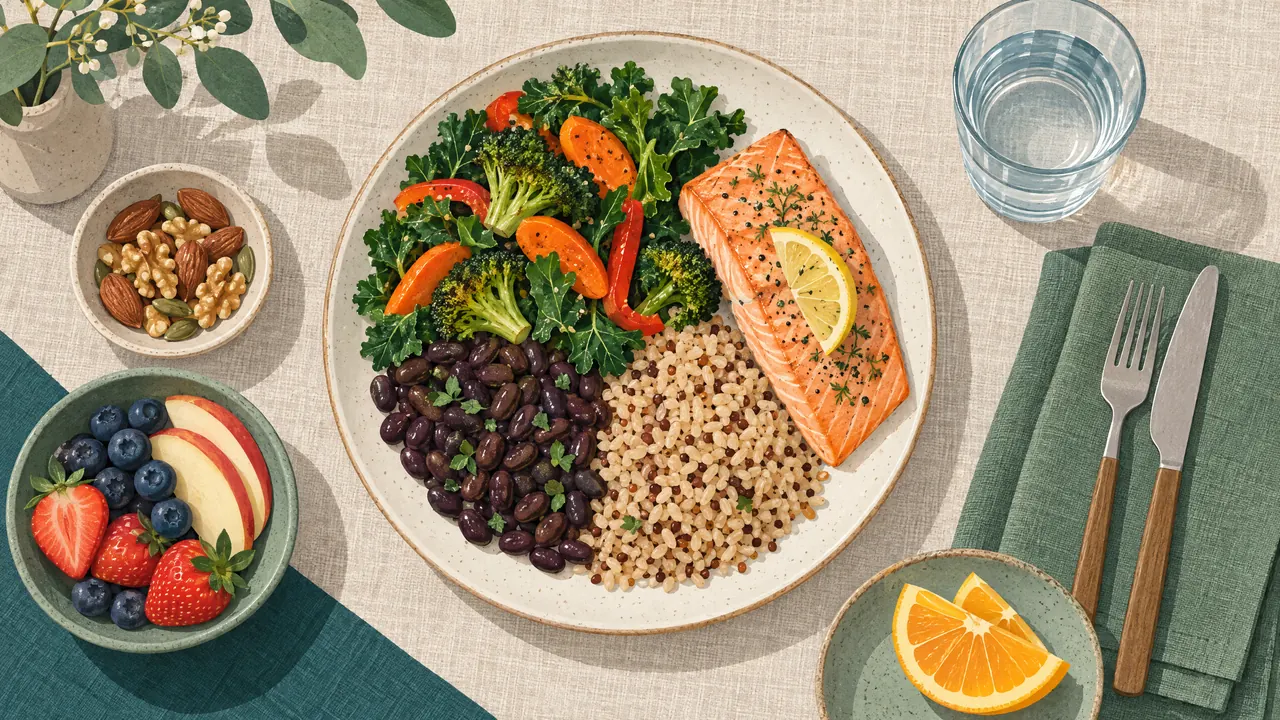
Diets rich in vegetables, tomatoes, legumes, fish and whole grains are associated with better prostate health. No single food prevents prostate disease, so the overall eating pattern matters most.