Nutrition
How Whole Grains for Weight Loss Can Support Satisfying Meals
Whole grains can make meals more satisfying, but they don’t cause weight loss on their own. Learn which grains to choose, how to read labels, and why …
The best nutrition tips are specific: which food, how much and why. These guides turn research on everyday foods into habits you can keep.
Whole grains can make meals more satisfying, but they don’t cause weight loss on their own. Learn which grains to choose, how to read labels, and why …
Garlic may help lower blood pressure, but claims about testosterone and erections lack reliable human evidence. Learn how food and supplements differ, …
Ginger may help some types of nausea and modestly reduce exercise-related soreness. Learn where the evidence is promising, where it falls short, and …
Tomatoes provide lycopene, potassium, and vitamin C. Learn what research says about prostate and heart health, plus how cooking and a little healthy …
Walnuts offer plant omega-3 fats and polyphenols, but memory benefits remain unproven. Learn what the evidence says and how to use a practical 1-ounce …
Curcumin may ease osteoarthritis symptoms, but claims about testosterone remain unproven. Learn how supplement absorption, liver risks, and medication …
Vitamin D deficiency is associated with hair loss, while rare biotin deficiency can cause it. Learn how nutrient shortfalls differ from other causes …
Lean protein can support muscle repair and make meals more filling. Learn which foods to choose, how much protein you need, and why strength training …
Avocado supplies unsaturated fat, fiber, potassium, and folate. Learn how it can support satisfying, heart-healthy meals—and what it cannot do for …
Broccoli compounds can influence how your body processes certain chemicals. Learn what human studies show, how preparation matters, and why broccoli …
Almonds offer heart-friendly fats, fiber, and useful nutrients. Learn what evidence says about appetite, testosterone, sperm quality, and a practical …

If you’re wondering, does beer prevent kidney stones, some studies suggest a lower risk with moderate intake. You should also weigh alcohol’s …
Food advice usually fails for practical reasons, not a lack of willpower. Say a 45-year-old delivery driver in Tacoma reads that turmeric fights inflammation. He buys a jar, uses it twice and forgets about it, because nobody told him how much to use or what to cook with it.
So our nutrition tips focus on dose, timing and preparation. Garlic is a good example: crushing it and letting it sit before cooking helps form allicin, the compound most garlic research looks at.
Pick one food from these guides and plan exactly where it fits in your week, such as walnuts in your Tuesday and Friday oatmeal. Keep it for a month before judging it. Small, repeatable changes add up better than a pantry full of superfoods you rarely eat.
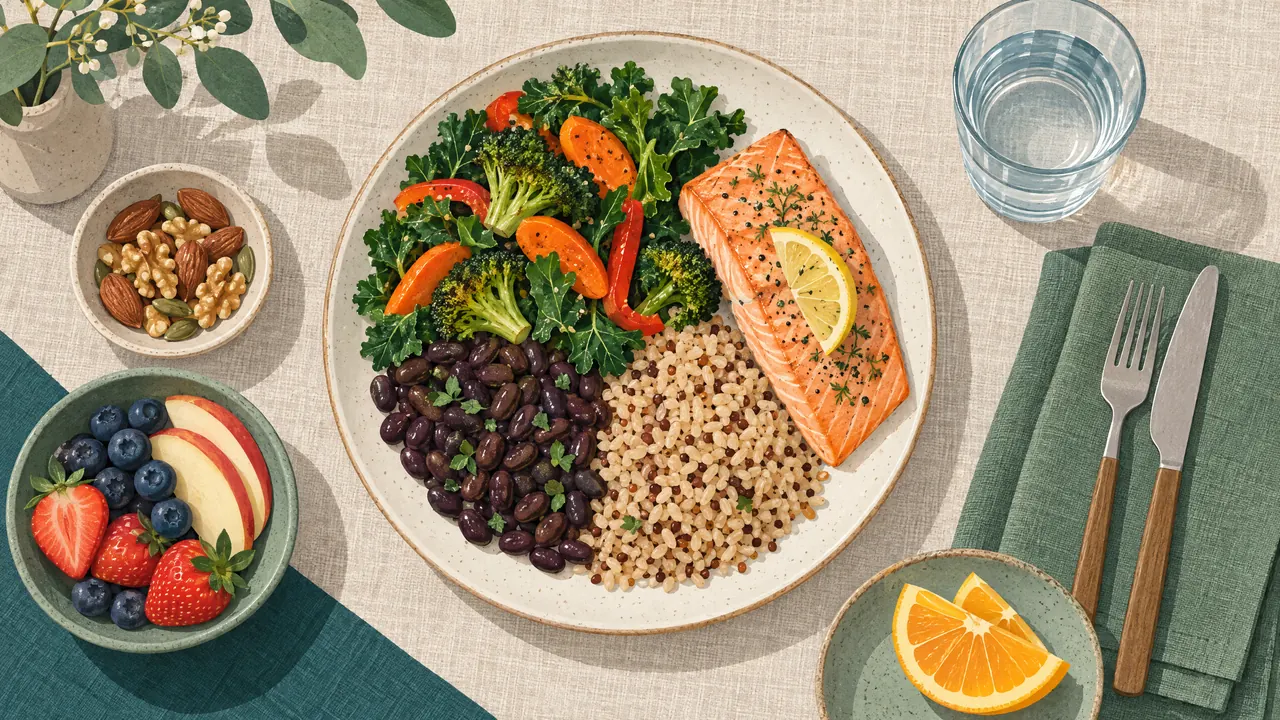
Fill half your plate with vegetables and fruit at most meals. It raises fiber and potassium intake and makes it easier to eat fewer calories without feeling hungry.