Infectious Diseases
Practical Infection Prevention for Everyday Life
Reduce everyday infection risks with habits that help stop germs spreading through hands, air, food, and close contact. Learn which precautions matter …
Most infectious diseases clear on their own, but some need treatment fast. These guides help you recognize the difference and avoid catching them in the first place.
Reduce everyday infection risks with habits that help stop germs spreading through hands, air, food, and close contact. Learn which precautions matter …
A stomach bug, food poisoning, and persistent stomach burning can have different causes. Learn which symptoms need medical care and how treatment …
An itchy rash, crusted sore, or painful bump may signal a skin infection. Learn the usual patterns, safe home care options, and warning signs that …
Viruses, bacteria, and parasites can cause infectious diarrhea. Learn how to replace lost fluids, eat during recovery, and recognize symptoms that …
If you have a lower respiratory tract infection, you may experience cough, fever, or shortness of breath. Learn about common infections, how they are …
If you have a urinary tract infection, you may notice burning or frequent urination. Learn what causes it, how your doctor can diagnose and treat it, …
The same symptom can mean very different things. Say a 70-year-old retiree develops a cough after a cold. In a younger adult it would likely clear, but at his age it can be the start of pneumonia, a lower respiratory tract infection that Wikipedia lists among the leading causes of death worldwide.
Our infectious diseases section covers the infections people search about most, from UTIs to infectious diarrhea, with a focus on red-flag symptoms and prevention.
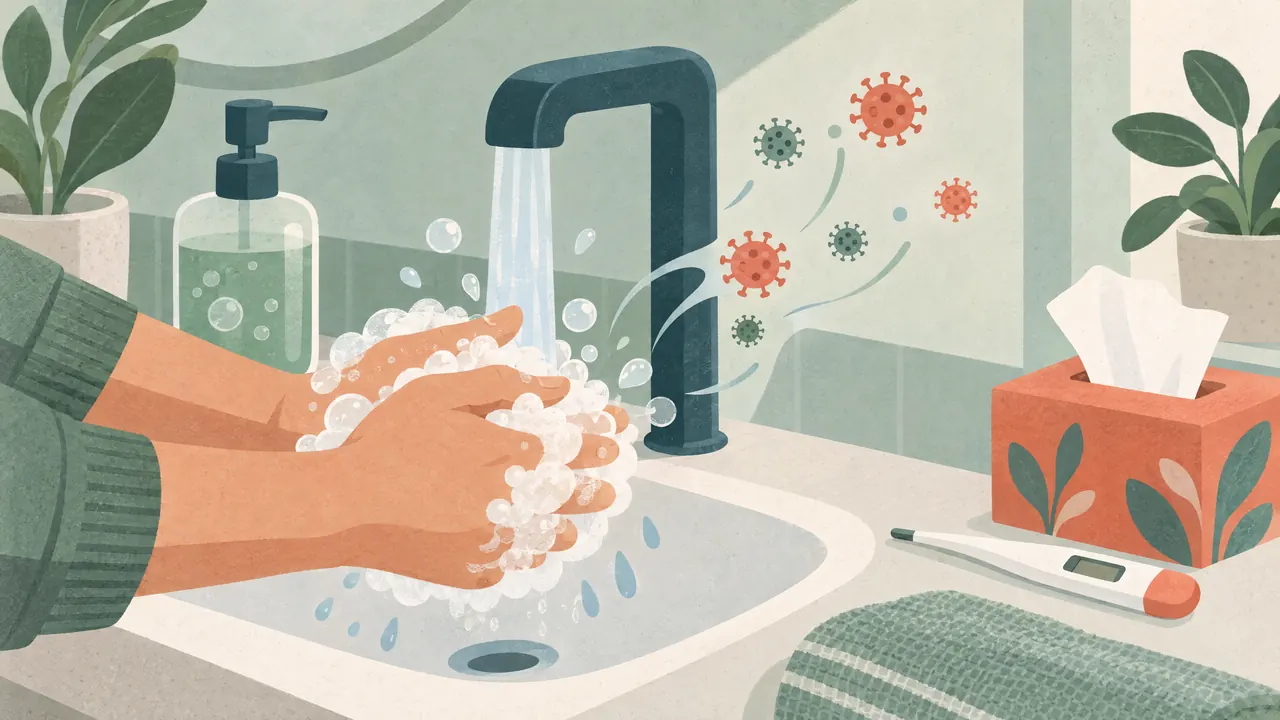
Washing your hands with soap for at least 20 seconds, the CDC’s standard advice, cuts the spread of both respiratory and stomach infections. It matters most before eating, after using the bathroom and after caring for someone who’s sick.
They spread through direct contact, droplets and air, contaminated food and water, insect bites and sexual contact. Hand washing, vaccination and safe food handling block many of these routes.