
In this post
A few drops of urine after you zip up, leaking when you cough, or trouble regaining bladder control after prostate surgery can make you wonder what’s changed. Pelvic floor exercises for men may help when muscle weakness or poor coordination contributes to the problem. But the right technique matters more than squeezing as hard as you can.
These exercises, often called Kegels, train the muscles that support your bladder and help control urine flow. They may also improve erectile function in some men, although they aren’t a cure for every cause of erection difficulties.
You don’t need equipment to get started. You do need to find the correct muscles, let them relax fully, and build a routine that matches your symptoms—especially if you’ve had surgery or have pelvic pain.
How to find your pelvic floor muscles
Say you notice a small leak after lifting a grocery bag. Before adding exercises, you need to know what you’re trying to contract: your pelvic floor, not your abdomen or buttocks.
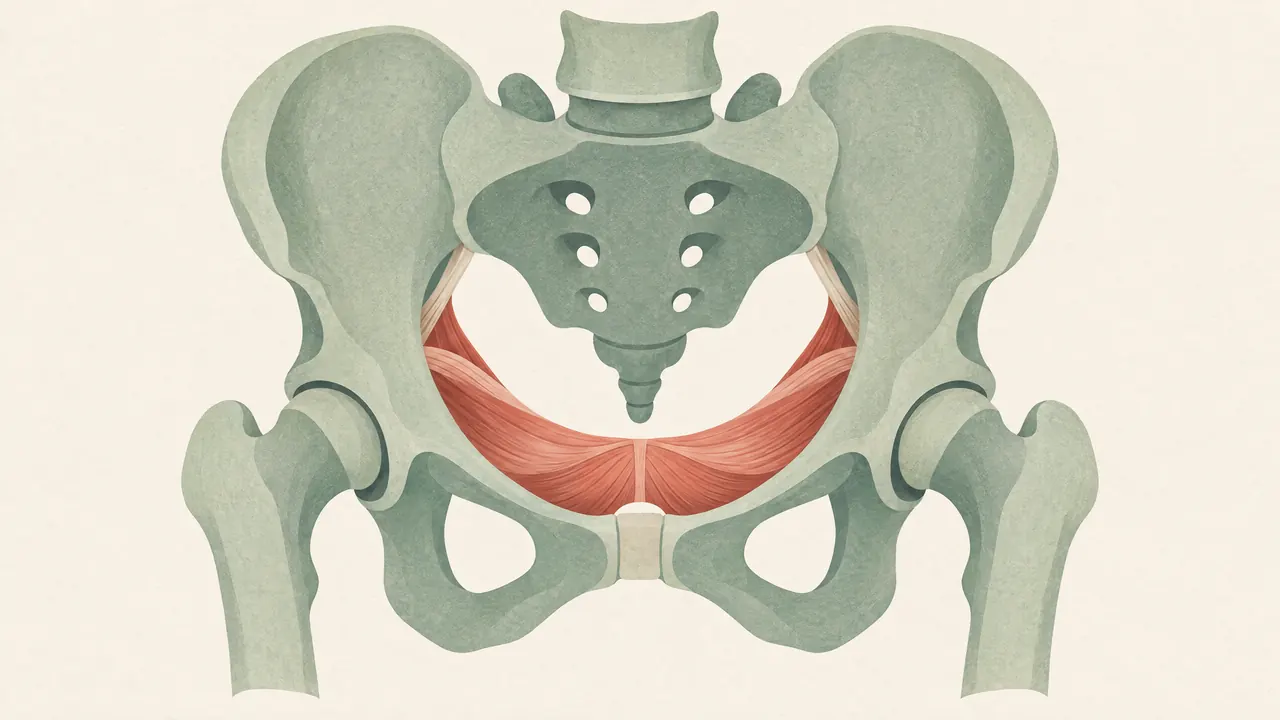
The pelvic floor is a group of muscles at the base of your pelvis. In men, these muscles help support the bladder and bowel, contribute to urinary control, and participate in sexual function. Think of a gentle inward lift rather than a downward push.
At Shuksan Health Care, an independent health-information site covering men’s health, hormones, nutrition and infections, this guide explains how to practice that movement safely and recognize when self-care isn’t enough.
Try the “stop gas” cue
Sit comfortably with your feet supported, or lie down with your knees bent. Imagine stopping yourself from passing gas. Gently tighten around the anus, then picture drawing the base of your penis inward and lifting your scrotum slightly.
Keep the effort modest. You might see a small lift at the base of the penis, but you shouldn’t need to clench your buttocks or move your hips.
Useful checks include:
- Your breathing stays easy. You can speak without holding your breath.
- Your body stays mostly still. Your thighs and buttocks aren’t doing the work.
- The movement goes inward and upward. There’s no straining or bearing down.
Some abdominal muscle activity can occur naturally. The goal isn’t to keep every nearby muscle perfectly motionless; it’s to avoid replacing the pelvic floor contraction with a whole-body squeeze.
Should you stop urine midstream?
Imagining that you’re stopping urine can help you understand the action. But don’t make interrupted urination your exercise routine. NHS guidance on pelvic floor training warns that repeatedly stopping the stream can interfere with normal bladder emptying.
Practice away from the toilet instead. If you can’t feel an inward lift, a pelvic floor physical therapist can assess your technique rather than leaving you to guess.
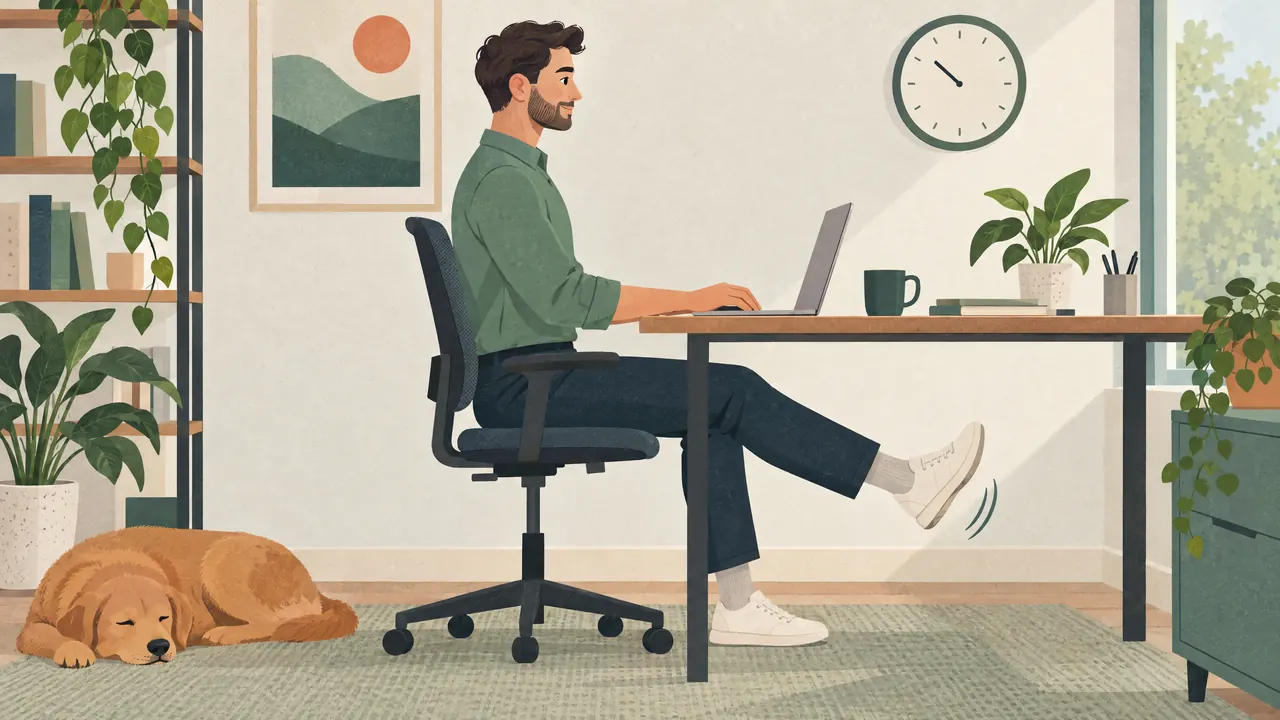
Kegel technique for men: squeeze, breathe, then fully release
Say you’ve found the muscles, but every squeeze makes you hold your breath. That’s a sign to reduce the effort—not to push harder.
A useful Kegel has two equally important parts: a controlled contraction and a complete release. Continually gripping the muscles can make relaxation harder, particularly if you already have pelvic discomfort.
Start lying down if sitting feels difficult:
- Settle into position. Bend your knees, support your head, and let your belly soften.
- Gently lift the pelvic floor. Use the stop-gas cue without pushing downward.
- Hold briefly while breathing normally. Begin with about 3 seconds if that feels comfortable.
- Release completely. Rest for at least as long as you held the contraction.
- Repeat only while the movement stays controlled. Stop the set if you start straining.
The 3-second hold is a practical starting point, not a requirement for everyone. If you can manage only a shorter, clean contraction, start there.
Don’t chase maximum force. A contraction you can sustain while breathing is more useful for learning than a hard squeeze that recruits your whole body.
Pelvic floor muscle training—often shortened to PFMT—also involves coordination. Once you can contract correctly, try a gentle squeeze just before a cough or a lift, then release afterward. This anticipatory contraction is sometimes called “the knack.” It’s a skill to practice, not a reason to remain clenched throughout the day.
Pain changes the advice. If squeezing causes aching in your pelvis, penis, testicles, or rectum, pause and arrange an assessment. Tight or poorly relaxing muscles can produce symptoms too; more strengthening isn’t always the answer.
How many pelvic floor exercises should men do?
Say you can perform several good contractions and want a daily target. More repetitions might sound better, but fatigue can turn a useful exercise into repeated straining.
There isn’t one proven schedule that fits every man. Research protocols vary, and your starting strength, symptoms, and surgical history affect the appropriate workload.
For example, Milios, Ackland, and Green’s 2019 randomized trial examined a structured pelvic floor program around radical prostatectomy and reported better early continence outcomes with its intensive training approach. That finding supports supervised, purposeful practice; it doesn’t mean every reader should copy an intensive postoperative protocol.
For an uncomplicated beginner, a conservative practice session could include:
| Exercise | Starting approach | What to watch |
|---|---|---|
| Slow holds | 5 gentle contractions, holding about 3 seconds each | Keep breathing; release fully between repetitions |
| Quick contractions | 5 brief squeeze-and-release movements | Make each release distinct |
| Frequency | Start with one session daily | Add sessions only if technique stays comfortable |
These are starting suggestions, not a prescription or a research-proven ideal dose. A clinician may recommend a different plan.
Why practice both quick and longer contractions?
A longer hold practices sustaining muscle activity. A quick contraction practices responding promptly—for example, before a sneeze. Both require a clear release.
Don’t turn quick contractions into frantic pulses. Squeeze, let go, and allow the muscles to settle before repeating.
Attach the session to an existing habit, such as brushing your teeth or settling into bed. That makes consistency easier without encouraging constant squeezing during your workday.
If you’ve had prostate surgery, follow your surgical team’s instructions about timing, particularly while a urinary catheter is in place. Our guide to side effects of removing the prostate explains why urinary and sexual recovery may follow different paths.
Gradual progression beats harder squeezing
Say your first week feels easy, and you’re tempted to double everything. A better next step is to change one part of the routine while keeping the movement clean.
Use this progression as a flexible guide:
- First, establish control. Find the inward lift and complete release in a comfortable position.
- Next, extend holds gradually. Add a second when you can finish every repetition without breath-holding or straining.
- Then, change position. Progress from lying down to sitting and eventually standing.
- Finally, practice during a relevant task. Use a brief contraction before coughing or lifting, then relax.
Keep a simple symptom record alongside your practice. Note leaks, their triggers, and any discomfort. Improvement in daily life matters more than reaching a particular repetition count.
Erection changes need broader expectations. Dorey and colleagues’ 2004 randomized trial found that pelvic floor exercises with biofeedback improved erectile function in some men. Biofeedback provides information about muscle activity to help you practice correctly. The result doesn’t establish that unsupervised Kegels will resolve erection problems caused by vascular disease, medication effects, or nerve injury.
Our article on prostate problems and erectile dysfunction discusses that distinction. Persistent erection difficulties deserve a medical assessment rather than an ever-increasing exercise workload.
And don’t wait for an exercise program to fix warning signs. Burning urination, visible blood in urine, or worsening pelvic pain warrants medical attention. Being unable to urinate needs urgent care. For ordinary leakage without those symptoms, steady, comfortable practice—and help checking your technique if needed—is a safer starting point than harder squeezing.
Pelvic floor exercises for men after prostate surgery: what to expect
Say you’re recovering from prostate removal and still need pads several weeks later. It’s reasonable to wonder whether your exercises are working—or whether the leakage means something has gone wrong.
After radical prostatectomy, urinary control can change because surgery affects the structures involved in keeping urine in the bladder. Muscle training addresses part of that system, but recovery also depends on healing and the function of the remaining urinary sphincter. That’s the muscle mechanism that helps keep the bladder outlet closed.
Persistent leakage doesn’t automatically mean you’re exercising incorrectly. Your surgical team can assess the pattern and decide whether rehabilitation alone is appropriate.
The 2023 Cochrane review of conservative interventions for urinary incontinence after prostate surgery found uncertainty about the benefits of different conservative approaches, including pelvic floor training. Differences between exercise programs and limitations in the evidence make a guaranteed recovery timeline misleading.
That uncertainty doesn’t mean you should abandon a clinician-recommended program. It means you should judge progress by your symptoms and follow-up assessments rather than promises of becoming dry by a particular date.
Track recovery without letting pads become the whole story
Say you use fewer pads on a quiet Sunday than on a busy workday. That difference may reflect activity, not a sudden change in muscle strength.
For a useful comparison, record a few representative days:
- When leakage happens: with movement, after urinating, or during a sudden urge.
- Whether pads are lightly damp or heavily soaked.
- How much walking, lifting, or other activity you did.
- Whether urgency or nighttime bathroom trips are changing.
Bring that record to your follow-up appointment. Pad counts alone can be misleading because people change pads at different levels of wetness.
Don’t sharply restrict fluids to stay dry. Concentrated urine may irritate your bladder, and dehydration creates other problems. If you have a prescribed fluid limit for heart or kidney disease, keep following that plan.
If leakage remains disruptive, ask about supervised rehabilitation and when further evaluation would be appropriate. Exercises aren’t the only treatment available for persistent postoperative incontinence.
Can male Kegels improve erections?
Say your bladder control is improving, but your erections still aren’t reliable. You might expect both problems to improve together because the same general area is involved.
They don’t necessarily follow the same course. Pelvic floor muscles help support penile rigidity, but an erection also requires adequate blood flow, nerve signaling, and sexual arousal. Strengthening muscles can’t correct every failure elsewhere in that process.
Myers and Smith’s 2019 systematic review in Physiotherapy concluded that pelvic floor muscle training appeared beneficial for erectile dysfunction and premature ejaculation, while identifying limitations in the available research and no established optimal training protocol. That supports considering PFMT as an option—not treating it as a dependable replacement for medical care.
A practical approach is to separate your goals:
- For leakage: track urinary symptoms and everyday function.
- For erections: notice whether firmness and maintenance change over time, without repeatedly “testing” yourself.
- For postoperative recovery: discuss sexual rehabilitation separately with your urology team.
After prostate surgery, nerve recovery and other treatment needs may be especially relevant. Your clinician may discuss prescription medication, a vacuum erection device, or other options according to your situation.
But even without surgery, ongoing erection difficulty deserves attention. Diabetes, cardiovascular disease, medications, and anxiety can contribute. Our guide to why your husband may not be getting erect explains possible causes without assuming the problem is a lack of attraction.
Avoid judging the exercise program after each sexual encounter. Fatigue, stress, alcohol, and relationship circumstances can affect erections from one occasion to another. A broader pattern is more useful information for your clinician.
What if practice isn’t helping—or symptoms get worse?
Say you’ve practiced consistently, yet you still leak when you hurry to the bathroom. Before adding more repetitions, consider whether the exercise matches the problem.
Leakage with coughing or movement is often called stress urinary incontinence. Here, “stress” means physical pressure, not emotional strain. Leakage associated with a sudden, hard-to-delay urge is urgency urinary incontinence. Some men have both.
Those patterns can need different treatment plans. For urgency, a clinician may recommend bladder training alongside other care rather than strengthening exercises alone. Start by noting which pattern describes your leaks; that helps make the appointment more productive.
Check for hidden mistakes
Say you practice during your commute and can’t tell whether you ever fully let go. Discreet exercise is convenient, but it can also hide poor coordination.
Common problems include:
- Stacking contractions: beginning the next squeeze before the previous one has released.
- Practicing only while already tense: making it difficult to distinguish contraction from your usual resting state.
- Ignoring bowel strain: repeatedly pushing hard during bowel movements adds pressure to the pelvic floor.
- Treating every urinary symptom as weakness: infection, obstruction, and bladder conditions need different care.
Move a session to a quiet setting where you can pay attention to the release. If constipation is making you strain, discuss bowel management rather than trying to compensate with extra Kegels.
A pelvic floor physical therapist can assess contraction, relaxation, and coordination. Depending on the setting and your consent, assessment may include an examination or biofeedback. You can ask what each part involves before agreeing.
New urinary symptoms also warrant a fresh look. Our guide to understanding urinary tract infections explains why infection-related symptoms shouldn’t be treated as an exercise problem. Fever with urinary symptoms, especially with back or side pain, needs prompt medical care.
A symptom-based routine is better than endless Kegels
Say you’re months into practice and wondering whether you must keep increasing the workload forever. The goal isn’t an impressive repetition count. It’s better control with comfortable, coordinated muscle function.
Once symptoms improve, ask your clinician or physical therapist about a maintenance routine. You may not need the same workload used during rehabilitation, but there’s no single maintenance schedule that suits everyone.
Choose a review point instead of exercising indefinitely without checking results. Bring your symptom notes and ask: Is this helping? Is my technique correct? Does my diagnosis still fit?
Pelvic floor training is a skill, not a test of effort. Keep the routine useful, reassess persistent symptoms, and let daily function—not harder squeezing—guide the next step.
Frequently asked questions
How do men find their pelvic floor muscles?
Imagine stopping yourself from passing gas, then gently draw the base of your penis inward and lift your scrotum slightly. Keep breathing normally and avoid clenching your buttocks or pushing downward.
How many pelvic floor exercises should men do each day?
An uncomplicated beginner could start with five gentle holds of about three seconds and five brief squeeze-and-release movements once daily. Rest fully between contractions, and increase practice only if it remains comfortable; your clinician may recommend a different routine.
Can pelvic floor exercises help men with erectile dysfunction?
Pelvic floor exercises with biofeedback improved erectile function in some men in a randomized trial. They are not a cure for every cause of erection difficulties, and persistent symptoms deserve medical assessment.
Should men do pelvic floor exercises after prostate surgery?
Structured pelvic floor training may help urinary control after radical prostatectomy. Follow your surgical team’s instructions about when to start or resume exercises, especially while a urinary catheter is in place.