In this post
Say you’re tired by midafternoon, hungry again after dinner, and wondering whether your diet is affecting your hormones. Searching for foods for hormonal balance is understandable—but the phrase often promises more than food can deliver.
Your meals can support insulin function, provide the building blocks your body needs to make hormones, and help you maintain adequate nutrition. They can’t reliably correct low testosterone, thyroid disease, or menopause-related symptoms on their own. Men and women benefit from many of the same dietary basics, although individual needs differ.
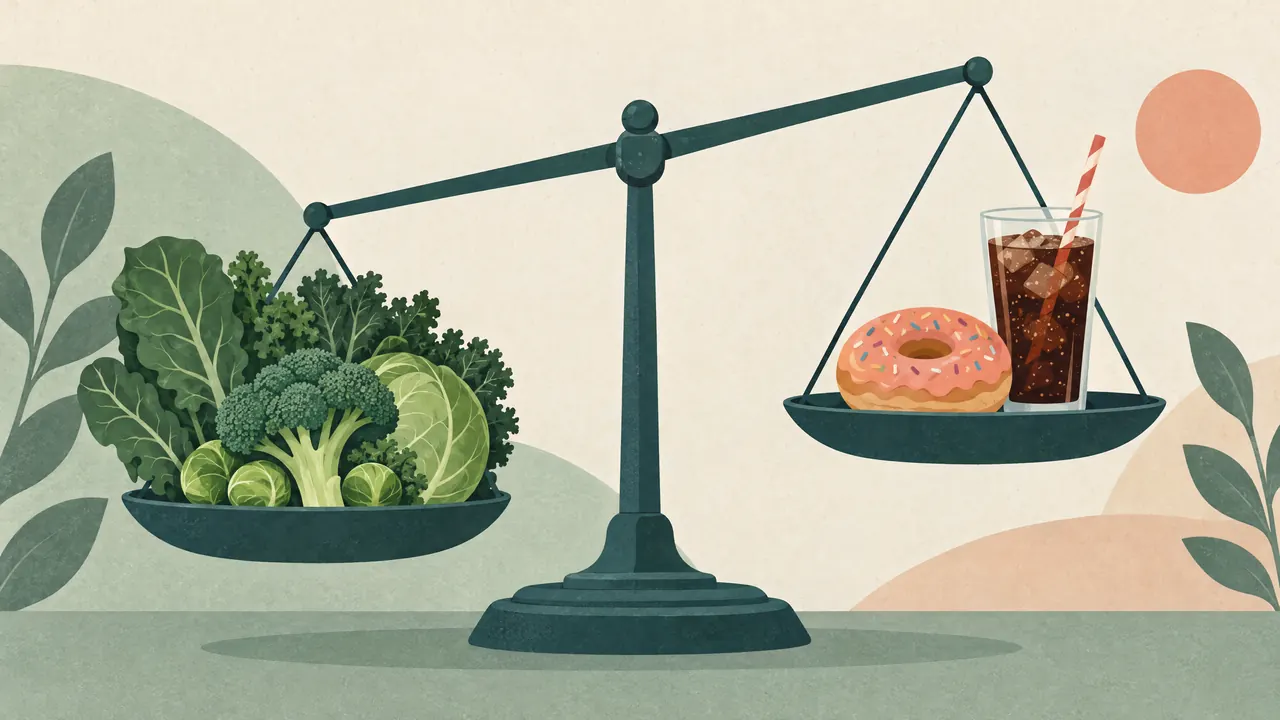
The useful approach isn’t a hormone “reset.” It’s a repeatable eating pattern built around protein, fiber-rich carbohydrates, vegetables, and mostly unsaturated fats. Let’s start with those foundations and separate practical nutrition from claims about detoxing estrogen or boosting testosterone.
What can foods for hormonal balance actually do?
Say a 45-year-old office worker notices fatigue and assumes it means low testosterone or “high cortisol.” Changing breakfast might help their energy, but those symptoms don’t identify a particular hormone problem.
Hormones are chemical messengers. Insulin helps regulate blood glucose, or blood sugar; thyroid hormones influence metabolism; and estrogen and testosterone affect reproductive function, among other roles. Cortisol helps coordinate your response to stress. These systems interact, but there’s no single food that adjusts them all to an ideal level.
At Shuksan Health Care, an independent health-information site covering men’s health, hormones, nutrition, and infections, this article approaches hormonal balance as everyday nutrition support—not a substitute for diagnosis.
Food is most useful where a dietary problem is contributing to symptoms. Examples include:
- Eating too little overall, which can disrupt reproductive function.
- Getting inadequate protein or other nutrients.
- Relying on meals that leave you hungry and encourage frequent overeating.
- Drinking alcohol in ways that interfere with sleep or adequate nutrition.
A practical first step is to look for a pattern rather than blame one ingredient. For several days, note your meals, hunger, sleep, and symptoms. Don’t turn it into a calorie-counting project unless that serves a specific treatment goal.
And keep expectations realistic. Sleep loss, medications, illness, and hormonal transitions can matter more than any individual food. Persistent fatigue, missed periods, unexplained weight changes, reduced libido, or erection difficulties deserve medical assessment. Our guide to signs of low testosterone explains why symptoms alone aren’t enough to establish a diagnosis.
Build meals around protein and fiber to support blood sugar
Say your usual breakfast is a sweetened coffee and a pastry. By late morning, you’re hungry and searching for another snack. The problem may be a meal that supplies little protein or fiber—not evidence that your hormones are “broken.”
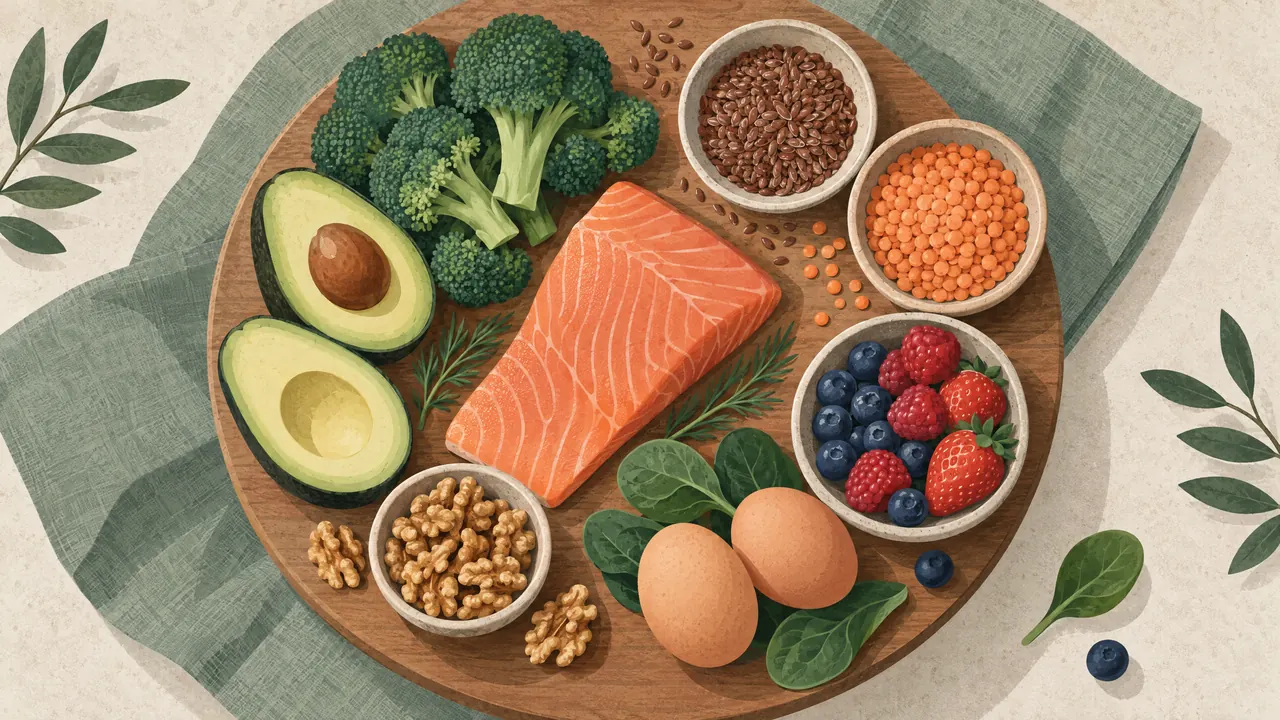
Start by adding something substantial: eggs, plain yogurt, tofu, beans, or another protein source. Pair it with oats, whole-grain toast, fruit, or vegetables.
Protein supplies amino acids for tissue repair and the production of many signaling molecules. It also helps meals feel satisfying. Fiber adds bulk, supports bowel function, and, depending on its type and the food containing it, can slow carbohydrate absorption.
How much fiber should you aim for?
Say you eat vegetables at dinner but rarely have beans, fruit, or whole grains. You may still be getting less fiber than you expect.
In their 2019 systematic reviews and meta-analyses in The Lancet, Reynolds and colleagues found the strongest risk reductions across several health outcomes at fiber intakes of 25–29 grams per day, with evidence suggesting higher intakes could offer further benefit. That’s a useful dietary benchmark, not a prescription for treating a hormone disorder.
Build up gradually. Adding beans to lunch and switching to oatmeal at breakfast is usually easier on your digestion than suddenly taking a large fiber supplement. Drink enough fluid as you increase fiber, unless your clinician has restricted fluids.
Do you need to avoid carbohydrates?
Say you’ve heard that any rise in insulin is harmful. You might start avoiding fruit, beans, and whole grains unnecessarily.
Insulin normally rises after eating. That response helps move nutrients into cells; the goal isn’t to prevent it altogether. For many people, choosing higher-fiber carbohydrate foods and combining them with protein makes meals more satisfying and easier to sustain.
Evert and colleagues’ 2019 American Diabetes Association consensus report recommends individualized eating patterns and emphasizes carbohydrate sources rich in fiber and nutrients. It doesn’t identify one ideal carbohydrate intake for everyone.
Try a straightforward meal structure:
- A protein food, such as fish, chicken, tofu, or lentils.
- A fiber-rich carbohydrate, such as brown rice, beans, or potatoes with their skins.
- A generous portion of vegetables.
If you use insulin or medicines that can cause hypoglycemia—low blood sugar—major changes in carbohydrate intake may require medication adjustments. Discuss those changes with your diabetes care team rather than experimenting alone.
Choose unsaturated fats without expecting a testosterone boost
Say you’ve cut out nuts, olive oil, and avocado because you think all fat is unhealthy. Or you’ve moved in the opposite direction and started eating extra butter to “make more testosterone.”
Neither approach is necessary. Your body needs dietary fat, but eating more fat doesn’t automatically increase sex hormones or improve symptoms.
Favor foods that supply unsaturated fats: olive oil, nuts, seeds, avocado, and fish. These choices support a heart-healthy eating pattern, which matters for both men and women. Cardiovascular health also matters for erectile function, although dietary fat isn’t a treatment for erectile dysfunction.
The practical move is replacement rather than addition. Use olive oil instead of butter for some meals, or have nuts instead of a snack rich in saturated fat. Adding oil and nuts on top of everything you already eat can substantially increase your energy intake.
In a 2020 Cochrane review, Hooper and colleagues found that reducing saturated fat lowered the risk of combined cardiovascular events. That supports changing fat quality; it doesn’t establish a hormone-boosting effect.
Fish and plant foods offer different fats. Flaxseed and walnuts contain alpha-linolenic acid, a plant omega-3 fatty acid. Fish provides EPA and DHA, other omega-3 forms. They aren’t nutritionally identical, so variety helps.
For an easy meal, add salmon or tofu to a grain-and-vegetable bowl, then use a modest olive-oil dressing. Our guide to almonds and men’s health offers another food-based option without treating nuts as a testosterone supplement.
Cruciferous vegetables and ground flaxseed support nutrition, not hormone detox
Say you see a social-media post claiming broccoli “flushes excess estrogen” and flaxseed fixes menopausal symptoms. Both foods can fit a healthy diet, but those claims overstate what you can expect.
Broccoli, cabbage, cauliflower, and Brussels sprouts provide fiber and plant compounds called glucosinolates. Some related compounds have been investigated for effects on estrogen metabolism. That does not mean eating these vegetables reliably treats high estrogen, low testosterone, or a hormone-related disease.
Use them as vegetables, not medicine. Add roasted broccoli to dinner, shredded cabbage to a sandwich, or frozen cauliflower to a soup. Frozen options count and can make regular use easier.
Flaxseed provides fiber, alpha-linolenic acid, and lignans—plant compounds with estrogen-related biological activity. “Estrogen-related” doesn’t mean they behave exactly like your body’s estrogen.
Goyal and colleagues’ 2014 review in the Journal of Food Science and Technology describes flaxseed’s nutritional components and potential health applications. It doesn’t justify promising that flaxseed will balance everyone’s hormones.
Ground flaxseed is a practical choice because whole seeds may pass through your digestive tract largely intact. Start with a small amount stirred into oatmeal or yogurt, and increase gradually if your digestion tolerates it. Store it according to the package directions.
Neither food replaces treatment for thyroid disease, polycystic ovary syndrome, or menopausal symptoms. Enjoy them for what they reliably contribute: dietary variety, fiber, and useful nutrients. That’s a stronger reason to eat them than an unsupported hormone-detox promise.
Can food help with cortisol and sleep?
Say you skip lunch during a stressful workday, drink coffee through the afternoon, and arrive home exhausted but wide awake at bedtime. A “cortisol-lowering” snack probably isn’t the missing piece. Your meal schedule, caffeine use, and sleep routine deserve a closer look.
Cortisol follows a daily rhythm and normally changes in response to stress. Feeling tense or sleeping poorly doesn’t establish that you have a cortisol disorder, and food can’t diagnose one.
Sleep does affect metabolic function. In a 1999 experimental study in The Lancet, Spiegel, Leproult, and Van Cauter found that sleep restriction impaired glucose tolerance and altered cortisol patterns in healthy young men. The study supports taking sleep seriously; it doesn’t prove that a particular dinner lowers cortisol.
A useful starting point is to make daytime eating more predictable:
- Keep an accessible lunch available, such as leftovers, a bean wrap, or yogurt with oats and fruit.
- If hunger regularly keeps you awake, try a modest evening snack rather than forcing yourself to ignore it.
- Move your last caffeinated drink earlier if you notice difficulty falling asleep.
- Avoid a large late meal if it triggers reflux or discomfort.
You don’t need a rigid eating schedule. The aim is to avoid a cycle of under-eating, late-night hunger, and poor sleep.
Does alcohol interfere with hormonal health?
Say a glass of wine helps you feel sleepy, so you start using it as a bedtime aid. Falling asleep faster doesn’t necessarily mean sleeping better.
In their 2013 review in Alcoholism: Clinical and Experimental Research, Ebrahim and colleagues found that alcohol disrupted sleep, particularly during the later part of the night. Regular heavy drinking can also affect reproductive function and make adequate nutrition harder to maintain.
Try alcohol-free evenings and compare your sleep quality and next-day energy. There’s no need to drink alcohol for hormone benefits.
But if you drink heavily every day or develop shaking, sweating, or nausea when you stop, get medical advice before abruptly quitting. Alcohol withdrawal can be dangerous. Loud snoring, witnessed breathing pauses, or persistent daytime sleepiness also warrant assessment rather than another dietary experiment.
Men and women share the basics, but symptoms need different attention
Say a woman’s periods become irregular after increasing her workouts, while her partner notices reduced libido during a restrictive diet. Both may need more adequate food intake—but neither should assume nutrition explains everything.
Eating enough matters alongside food quality. A diet can contain vegetables and lean protein yet still provide too little energy for your activity level.
For women, low energy availability—having too little energy left after exercise to support normal body functions—can contribute to missed periods. Gordon and colleagues’ 2017 clinical practice guideline in The Journal of Clinical Endocrinology & Metabolism recommends correcting energy imbalance when treating functional hypothalamic amenorrhea, a condition in which reproductive signaling is suppressed. Treatment may involve eating more, improving nutrition, reducing exercise, or a combination.
If your periods stop unexpectedly, consider pregnancy testing when relevant and arrange medical assessment. Don’t assume it’s a normal consequence of getting fitter.
For men, ongoing fatigue, reduced sexual desire, or erection changes require similar caution. Severe dietary restriction may contribute, but sleep apnea, medication effects, diabetes, and other conditions can produce overlapping symptoms. A clinician can decide whether hormone testing is appropriate.
Different life stages also change the question:
- With PCOS: Polycystic ovary syndrome can involve insulin resistance. Sustainable meals and activity can support metabolic health, but no single food treats every feature of the condition.
- During menopause: Adequate protein and attention to bone-supporting nutrients remain useful. Food alone may not adequately relieve hot flashes or other disruptive symptoms.
- During pregnancy or breastfeeding: Nutrient needs change, so weight-loss diets and supplement choices deserve individualized medical guidance.
Avoid supplement shortcuts. Our discussion of vitamin D and testosterone explains why correcting a nutrient deficiency is different from expecting a supplement to raise an already adequate hormone level.
The practical question is, “Am I eating enough, and do these symptoms need evaluation?” That’s more useful than trying to identify a different hormone-balancing food for each sex.

A sample day of meals for hormonal health
Say you understand the ingredients but still find yourself staring into the refrigerator at lunchtime. A sample day can turn nutrition advice into meals without creating another restrictive plan.
Use this as a flexible template, not a calorie prescription. Portions should reflect your hunger, activity, medical needs, and any advice from your care team.
| Meal | Example | Practical adjustment |
|---|---|---|
| Breakfast | Oatmeal with plain Greek yogurt, berries, and ground flaxseed | Prepare overnight oats if mornings are rushed; use a protein-rich soy alternative if you avoid dairy. |
| Lunch | Lentil and brown rice bowl with cabbage, cucumber, and olive-oil dressing | Use canned lentils and leftover rice to reduce preparation time. |
| Optional snack | An apple with peanut butter, or yogurt | Include it if you’re hungry or dinner is far away; snacks aren’t mandatory. |
| Dinner | Salmon or tofu, roasted broccoli, and a baked potato | Frozen vegetables and batch-cooked potatoes make this easier on busy evenings. |
| Drinks | Water, unsweetened tea, or coffee earlier in the day | Adjust caffeine timing if it affects your sleep. |
This day supplies protein across meals, fiber from several food groups, and mostly unsaturated fats. It doesn’t “reset” hormones overnight.
And substitutions are welcome. Beans can replace lentils; whole-grain bread can replace rice; eggs can replace yogurt. If raw vegetables cause bloating, try cooked ones and increase fiber more gradually.
Choose one meal to improve first. A reliable breakfast or packed lunch often does more for consistency than an ambitious menu you can’t maintain.
Foods support hormonal health; persistent symptoms need medical care
Say you’ve improved your meals and sleep habits, but fatigue, menstrual changes, or sexual symptoms continue. That isn’t a reason to pursue a stricter diet or add more supplements.
Food supports normal hormone function; it doesn’t reliably correct an underlying hormone disorder. Keep the habits that improve your hunger, energy, and digestion, while arranging an appointment for symptoms that persist or interfere with daily life.
Bring a short record of symptoms, sleep, medications, supplements, and recent dietary changes. That gives your clinician useful context without requiring you to diagnose yourself.
For everyday eating, aim for adequate meals you can repeat and enjoy. Leave room for convenience foods and flexibility. A sustainable pattern is a better investment than a hormone-detox promise.
Frequently asked questions
What are the best foods for hormonal balance?
Useful choices include beans, lentils, eggs, plain yogurt, whole grains, vegetables, nuts, and fish. These foods provide protein, fiber, and fats that support adequate nutrition, but no single food balances every hormone.
Can foods for hormonal balance increase testosterone?
Eating enough food and getting adequate nutrients can help address dietary problems that affect reproductive function. Eating extra fat or particular foods does not reliably treat low testosterone, which requires medical assessment.
Do broccoli and flaxseed remove excess estrogen?
Broccoli contains plant compounds studied for effects on estrogen metabolism, while flaxseed contains lignans with estrogen-related biological activity. This does not establish that either food removes excess estrogen or treats a hormone disorder.
Should I avoid carbohydrates to balance my hormones?
Insulin normally rises after meals to help move nutrients into cells. Fiber-rich carbohydrates such as beans, fruit, and whole grains can fit a healthy eating pattern, especially alongside protein. If you take insulin or medicines that can cause low blood sugar, discuss major carbohydrate changes with your care team.